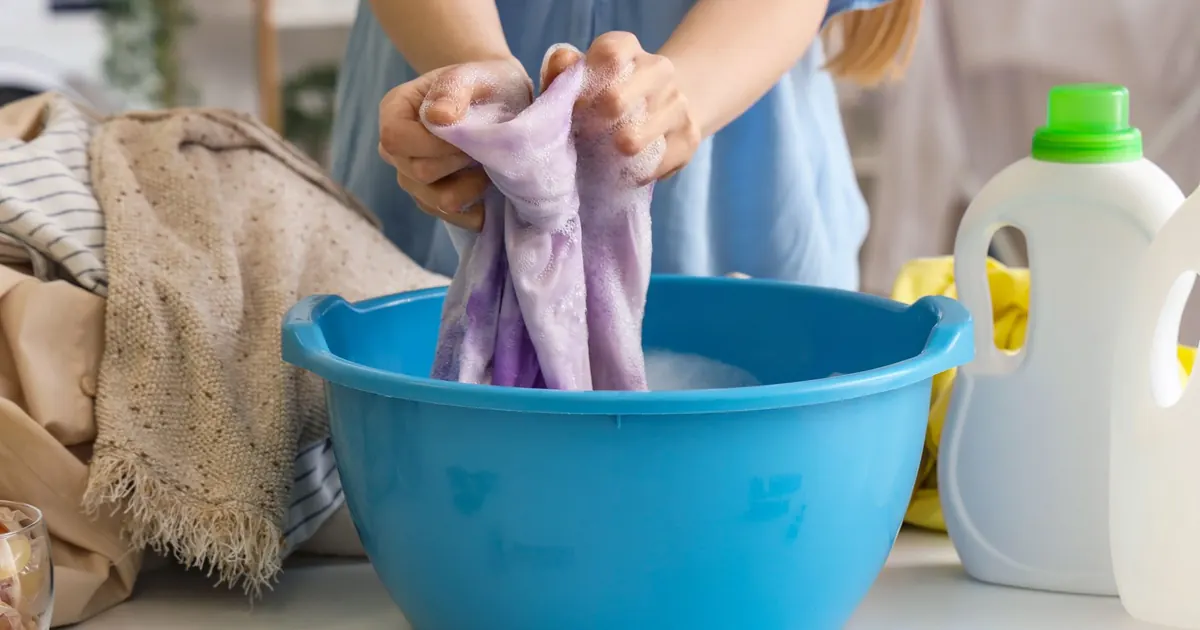
Stain Removal Bible for Handmade Garments
The first rule of stain removal is that speed beats chemistry. A fresh stain lifts with water and patience; the same stain, heat-set a week later, becomes a permanent resident.
I’ve rescued hundreds of handmade pieces over the years (my own and readers’), and nearly every disaster story starts the same way: “I thought I’d deal with it later.” This bible is designed so you never say that again.
A note before we begin: handmade garments carry extra risk because of dyes, embroidery threads, and delicate construction. Every treatment below assumes you’ve done one thing first, tested on a hidden spot. Inside seams, hem allowances, and under collars are your testing grounds.
The 5-Minute Response Protocol
When a stain happens, follow these steps in order. Don’t skip ahead to chemicals.
- Blot, don’t rub. Press a clean white cloth into the stain to lift it. Rubbing spreads the stain and pushes it deeper into the fibres, and on embroidery it distorts stitches.
- Work from the outside in. This keeps the stain from growing a ring.
- Use cool water first. Hot water sets protein stains (blood, egg, milk) permanently. Cool water is safe for nearly everything as a first step.
- Identify before you treat. Grease needs a different approach than tannin (tea, wine). Treating blind is how good garments get ruined.
- Don’t put it in the dryer until the stain is gone. Dryer heat is the most common way a removable stain becomes permanent.
The Stain Chart: 15 Common Stains, Handled
| Stain | First action | Treatment | Warning for handmade |
|---|---|---|---|
| Coffee / tea | Blot, cool water | Soak in cool water with a drop of dish soap; rinse | Test dyes, dark embroidery threads can bleed |
| Red wine | Blot, cover with salt | Pour boiling water through from behind (plain, sturdy cotton only; test first on dyed or embroidered cotton); for delicates, white wine or glycerine soak | Never boiling water on silk or wool |
| Cooking oil / ghee | Blot, apply cornflour | Let powder absorb 30 min, brush off, then dish soap wash | Brush embroidery gently, with the stitch direction |
| Blood | Cold water only | Soak in cold salted water; hydrogen peroxide (3%) for whites | Peroxide can lighten dyed threads — test first |
| Turmeric / curry | Scrape off, sun helps | Glycerine rub, then dish soap; sunlight fades residue on whites | Sun fades colours, only use on whites |
| Ink (ballpoint) | Blot | Dab with rubbing alcohol on cotton bud from behind | Alcohol can dissolve some fabric paints and dyes |
| Grass | Cool water | White vinegar soak, then wash | Test on a hidden area first; vinegar can alter dyes, finishes, and metal trims |
| Sweat / deodorant | Cool water | Paste of baking soda + water, 30 min, wash | Check underarm embroidery for colour run |
| Chocolate | Scrape, cold water | Dish soap soak; warm wash | Keep water cool on protein fibres |
| Tomato / ketchup | Scrape, cold water | White vinegar, then dish soap | Treat quickly, tannin sets fast |
| Makeup / foundation | Blot | Dish soap or micellar water dabbed on | Avoid oil-based removers on silk |
| Mud | Let dry, brush off | Soak in cool soapy water once dry residue is brushed away | Never wash wet mud, it spreads |
| Rust | Don’t bleach | Lemon juice + salt in sun, or commercial rust remover | Lemon is acidic, rinse thoroughly |
| Candle wax | Let harden | Iron over brown paper to wick out (low heat) | Use pressing cloth; test heat on embroidery first |
| Henna | Blot quickly | Milk or yogurt soak, then wash | Henna is a dye — act within minutes |
Your Stain Kit: What to Keep on Hand
I keep a small box ready because stains don’t schedule appointments. Contents: white cotton cloths, a soft toothbrush, dish soap (clear, unscented), white vinegar, baking soda, cornflour, glycerine, 3% hydrogen peroxide, rubbing alcohol, and a spray bottle of cool water. That kit covers the most common stains.
What to Never Do to Handmade Garments
- Never use chlorine bleach. It weakens fibres, yellows whites over time, and destroys many dyes and embroidery threads. Oxygen-based whiteners are the safe alternative.
- Never rub embroidery. Stitches snag, loosen, and pill. Always blot and work with the stitch direction.
- Never use hot water as a first step. It sets protein stains and can shrink wool and felt appliqué.
- Never mix chemicals. Vinegar plus bleach creates toxic gas; peroxide plus vinegar irritates skin and can damage fabric.
- Never assume colourfastness. Hand-dyed fabrics and threads are the most likely to bleed. Test, every time.
Treating Stains on Embroidered and Detailed Areas
Stains that land on plain fabric are straightforward. Stains that land on embroidery, lace, appliqué, or smocking need a gentler hand, because the detail itself is vulnerable.
Embroidery
Work on the wrong side wherever possible: place the stained area face-down on a clean white towel and treat from behind, so dissolved stain transfers into the towel instead of spreading through the stitches.
Use a cotton bud for precision rather than soaking the whole area, and always work with the direction of the stitches, never against them. Dense satin stitch is particularly prone to snagging, keep your touch light and your nails trimmed.
Lace and openwork
Lace tears easily when wet because water adds weight to already-delicate threads. Support the lace fully, never lift a wet lace garment by one edge. Soak rather than rub, in cool water with a drop of mild soap, and rinse by pressing water through rather than wringing.
Appliqué and patches
Check how the appliqué is attached before treating. Sewn appliqué tolerates normal stain treatment; fused or glued appliqué can loosen with heat, solvents, or prolonged soaking. For glued pieces, use minimal moisture, dab rather than soak, and keep the iron away until you’re certain the adhesive is stable.
Metallic threads and beads
Metallic threads tarnish and many beads are coated rather than solid, harsh chemicals strip the coating and leave dull, patchy results.
Stick to the mildest effective treatment (cool water, tiny amount of mild soap), test on one bead or stitch first, and rinse promptly. If a stain sits directly on expensive beadwork, this is one of those cases where a professional cleaner’s solvents are safer than home chemistry.
Enzyme cleaners: a quiet hero
Enzyme-based pre-treaters (the ones marketed for “biological” stains) are excellent on food, blood, and sweat because enzymes break down proteins without harsh chemistry.
They’re generally safe for natural fibres and most embroidery threads, though I’d still test first. Apply, wait the time stated on the bottle (enzymes need time to work — rushing wastes the product), then wash normally. For old, dried stains, an overnight enzyme soak succeeds where scrubbing fails.
When to Stop and Call a Professional
I draw the line in three cases: the garment is silk with heavy beading, the stain is on a one-of-a-kind heirloom, or two home attempts have failed.
A good dry cleaner (see our dry cleaning guide) has solvents you can’t buy retail. Tell them exactly what the stain is and what you’ve tried, that information is half the treatment.
Key Takeaways
- Act within minutes: blot, don’t rub, cool water first.
- Identify the stain type before choosing a treatment.
- Test every chemical on a hidden area of handmade garments.
- Never heat-set a stain in the dryer until it’s fully gone.
- Keep a small stain kit ready, speed beats chemistry.
Related guides
Colorfastness Testing at Home — to test before treating stains; Dry Cleaning Guide for Delicate Handmade Pieces — when a stain needs a professional.
Frequently Asked Questions
Can I use stain remover sprays on embroidered clothes?
Commercial sprays are strong and can fade embroidery threads. If you must use one, spray it on a cloth first and dab (never spray directly onto stitching), and rinse within five minutes.
The stain came out but left a ring. What now?
Rings happen when a wet treatment dries unevenly. Re-wet the whole area evenly, treat again lightly, and let the garment dry flat and evenly, or wash the entire garment.
Is it safe to use lemon juice on coloured handmade fabric?
Lemon juice is a mild bleach and can lighten dyes, especially in sunlight. I only use it on whites and very light colours, and I rinse it out completely.
How do I remove old, set-in stains?
Soak overnight in cool water with an enzyme-based pre-treater, then wash. Old stains sometimes fade with repeated gentle treatment. If the garment is valuable, take it to a professional rather than escalating to harsh chemicals.


3 Comments