Needles, Hoops & Frames: Complete Tool Guide
Crewel vs chenille vs tapestry vs milliners, which hoop is actually worth buying, when to graduate to frames — the complete tool guide I give every student.

Crewel vs chenille vs tapestry vs milliners, which hoop is actually worth buying, when to graduate to frames — the complete tool guide I give every student.

Stranded cotton, perle, crewel wool, silk, metallics, sashiko thread — what each one is, how the backwards weight system works, and a decision framework for every project.
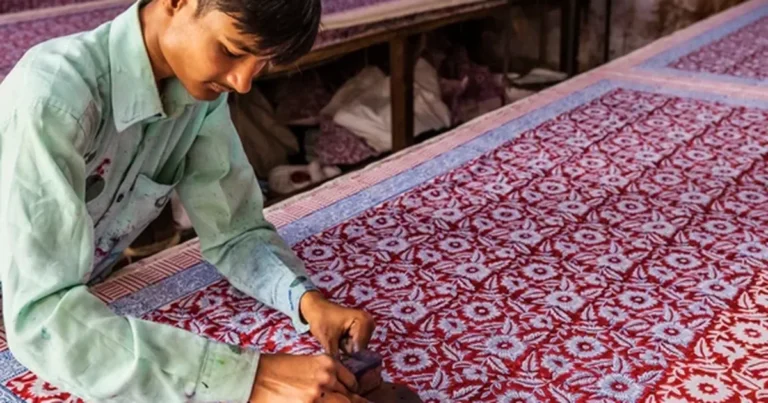
From first carve to final cure: designing repeats, carving blocks safely, preparing fabric, printing in rhythm, multicolour registration, and troubleshooting every common problem.

A 120 × 150 cm patchwork throw, quilted entirely by hand. The rocking stitch, batting and basting choices, realistic pacing — and why slow is the point.
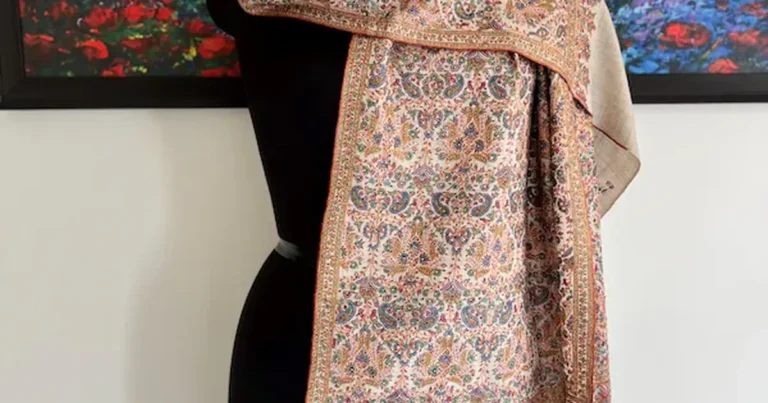
Embroidered bands at each end, a plain middle for neck comfort, and mirrored symmetry. A 15–25 hour scarf project that makes an unforgettable gift.

Eleven hoops on one wall: how to compose for the circle, plan groupings, stitch designs from sprigs to thread-painted landscapes, and finish backs professionally.

A 35 × 180 cm cotton runner with a vine-and-flower border is the best first embroidery project. Three stitches, measured repeats, and 14–18 hours of pure rhythm.

Embroider a mountain landscape on heavy canvas, then build a properly engineered tote — boxed corners, 4-layer straps, box-X stitching. A bag that survives real life.

Baby embroidery has different rules: flat stitches only, no knots inside, no detachable elements. A safety-first guide to stitching onesies, bibs and sleep gowns.

A 24 cm floral wreath using only three stitches, envelope-back construction with no zip, and a realistic Saturday-to-Sunday plan. The perfect first home-textile project.