Mending Tears & Holes by Hand
Don’t retire a beloved handmade garment over a tear. Hand-mending techniques for straight tears, L-shaped rips, holes, and worn spots — invisible repairs and beautiful visible mending alike.
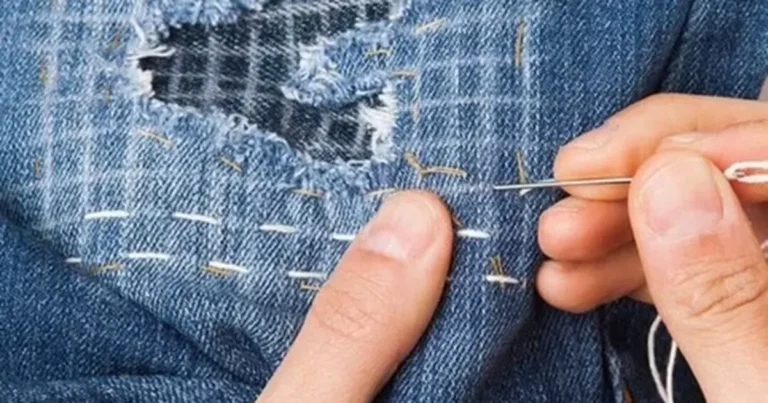
Don’t retire a beloved handmade garment over a tear. Hand-mending techniques for straight tears, L-shaped rips, holes, and worn spots — invisible repairs and beautiful visible mending alike.

Seven ways to get a design onto fabric — lightbox tracing, transfer pens, carbon paper, prick-and-pounce, stabilizers, and more — compared honestly on accuracy, fabric suitability, and removability.

Before you wash, embroider, or combine fabrics: simple at-home tests that reveal whether a dye will bleed, crock, or fade — using nothing more than water, white cloth, and patience.

Pressing is the difference between ‘handmade’ and ‘hand-crafted.’ A complete masterclass: ironing vs pressing, heat settings for every fabric, tools that matter, and how to press embroidery without flattening it.
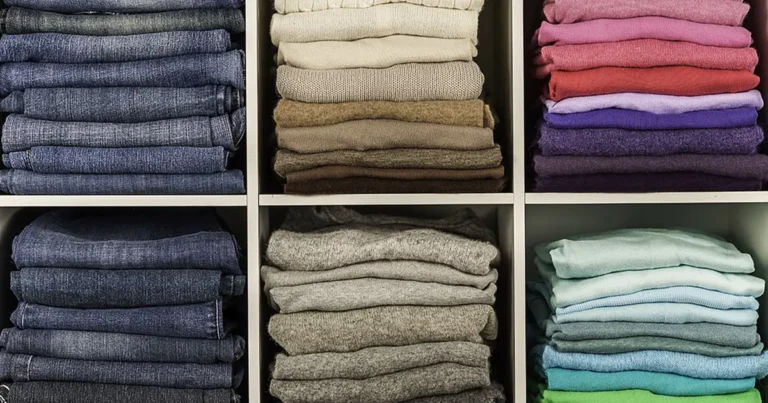
Handmade garments age badly in bad storage. Learn exactly how I store embroidered and handmade clothes — folding, hanging, boxes, moth prevention, and long-term care — so your work survives decades, not months.

Crewel vs chenille vs tapestry vs milliners, which hoop is actually worth buying, when to graduate to frames — the complete tool guide I give every student.

Stranded cotton, perle, crewel wool, silk, metallics, sashiko thread — what each one is, how the backwards weight system works, and a decision framework for every project.
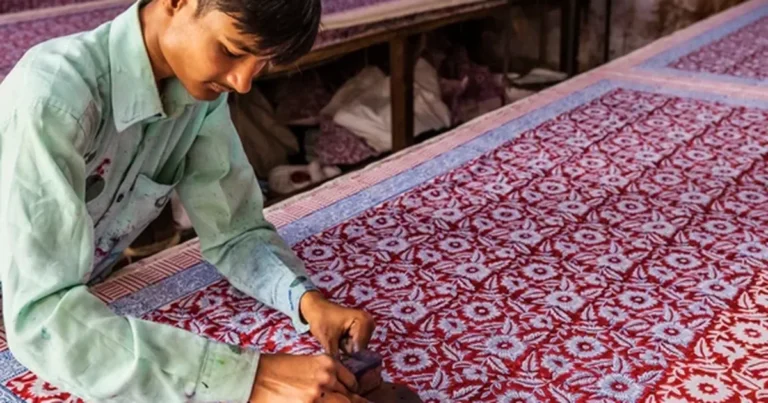
From first carve to final cure: designing repeats, carving blocks safely, preparing fabric, printing in rhythm, multicolour registration, and troubleshooting every common problem.
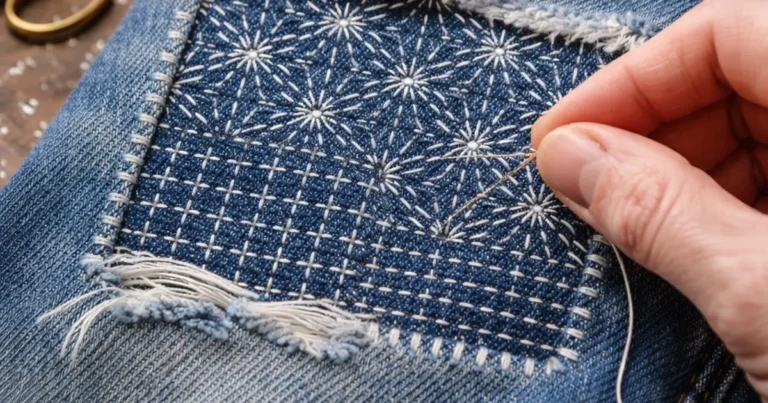
Turn tears, stains, and thin spots into design features: four core mending techniques, the only kit you need, and the design rules that make repairs beautiful.

Everything I wish I’d known before my first dye bath: scouring, mordanting, five beginner-friendly dye plants, indigo vats, and honest safety advice.