Fabric Comparison: Cotton vs Linen vs Silk
The three classic natural fibres, compared honestly: how cotton, linen, and silk behave when you sew them, wear them, wash them, and embroider on them — and which to choose for your next handmade garment.
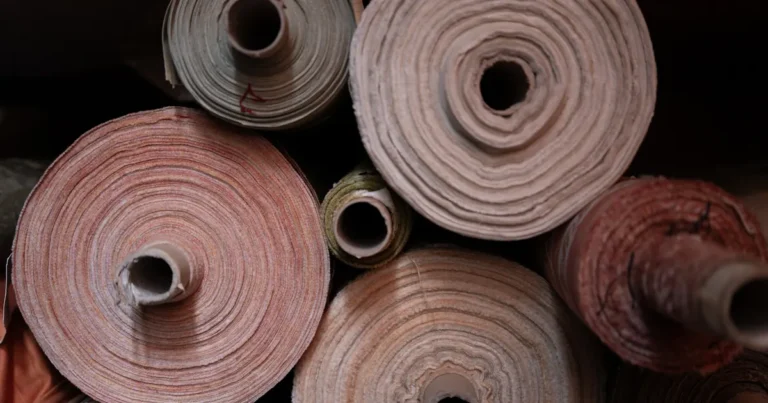
The three classic natural fibres, compared honestly: how cotton, linen, and silk behave when you sew them, wear them, wash them, and embroider on them — and which to choose for your next handmade garment.

Seven ways to get a design onto fabric — lightbox tracing, transfer pens, carbon paper, prick-and-pounce, stabilizers, and more — compared honestly on accuracy, fabric suitability, and removability.

Before you wash, embroider, or combine fabrics: simple at-home tests that reveal whether a dye will bleed, crock, or fade — using nothing more than water, white cloth, and patience.
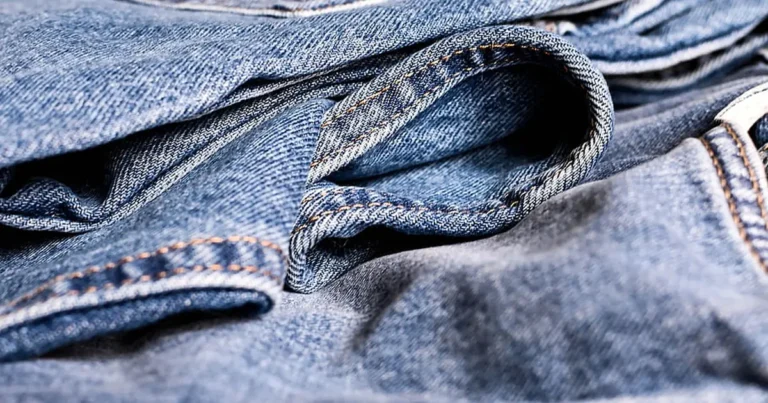
Wash rarely, wash cold, wash inside out — the honest guide to preserving indigo, shape, and hardware on handmade denim.
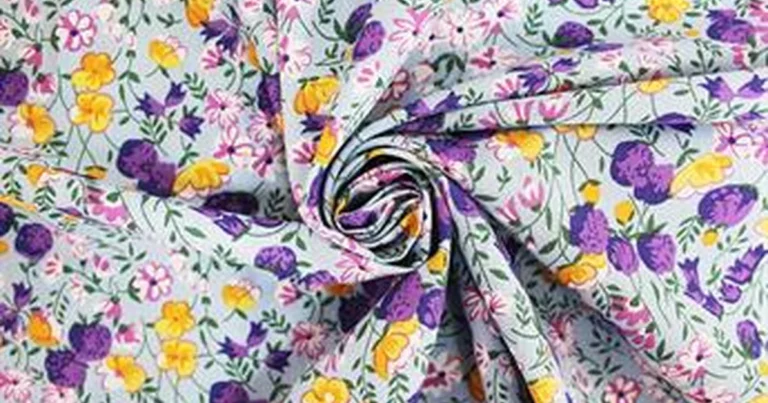
Keep summer prints bright wash after wash: colour-protect washing, shade drying, crisp pressing, and end-of-season storage for lawn suits.
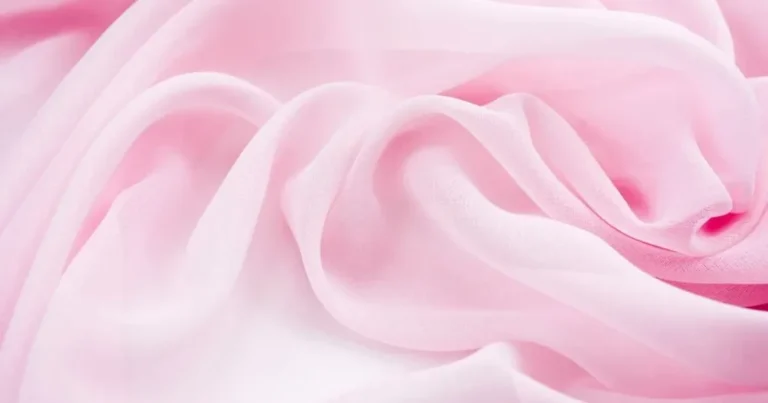
Sheer, fray-prone, and heat-sensitive — how to wash, steam, de-snag, and store handmade chiffon without disaster.

Protect the pile and velvet becomes manageable. Steaming, brushing, and crush-reversal techniques for handmade velvet garments.
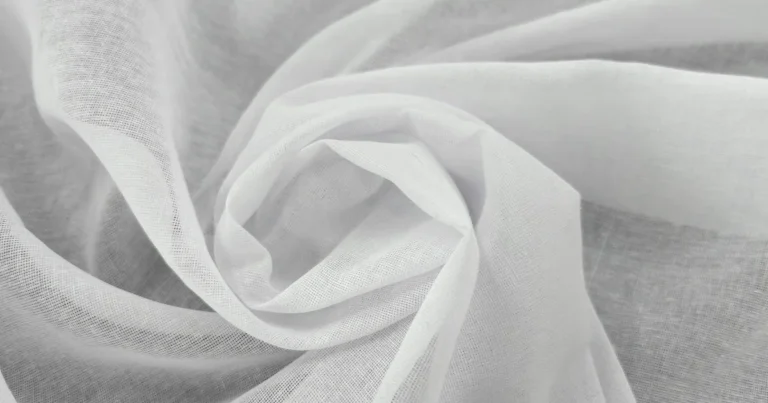
The most delicate cotton demands the gentlest hands: hand-wash-only methods, snag repair, and storage that prevents yellowing.
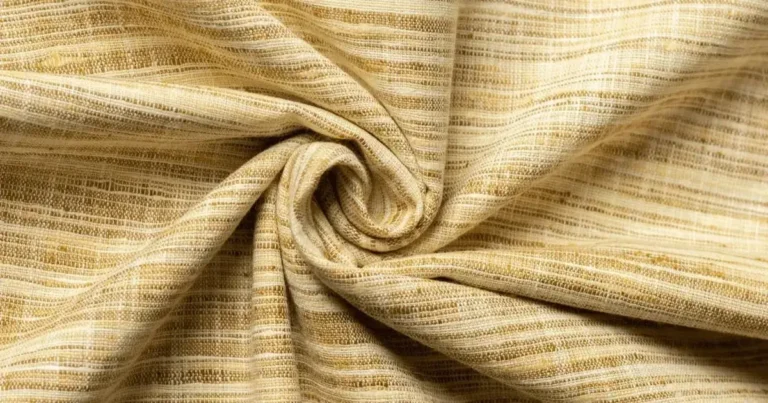
Handspun, handwoven khaddar needs its own care logic: pre-wash before stitching, expect first-wash shrinkage, and soften it with vinegar rinses.

Wool needs washing far less than you think. The three rules — no heat shock, no agitation, dry flat — plus moth defence and rescue techniques.