Denim Care Guide
Denim might be the most lied-about fabric in clothing care. “Never wash your jeans” is folk wisdom with a kernel of truth wrapped in a lot of nonsense.
I’ve owned handmade and small-batch denim garments (embroidered denim jackets, hand-finished jeans) for years, and the real story is more nuanced: denim is tough cotton twill that thrives on less washing, not no washing, and the care it needs is about preserving dye, shape, and hardware rather than babying fragile fibres.
Here is washing denim the right way (and how rarely), preserving indigo dye, drying without damage, dealing with the hardware, repairs, and storage, the complete method for handmade denim pieces.
Understanding Denim
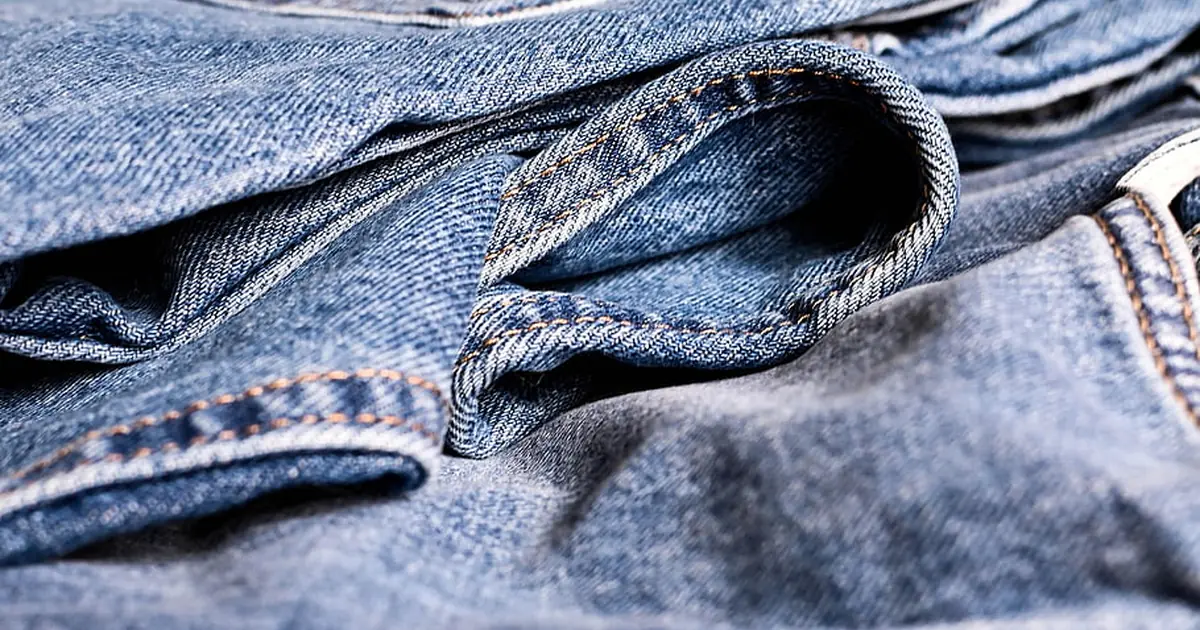
Denim is a cotton twill weave (the diagonal rib you can see is the twill line) traditionally dyed with indigo on the warp yarns only, leaving the weft white.
That’s why jeans fade to white at stress points: the indigo sits on the yarn surface and wears off with friction and washing. Raw or dry denim is unwashed and shrinks significantly on first wash; sanforized denim is pre-shrunk; stretch denim includes elastane, which changes the care rules.
Handmade denim (hand-embroidered jackets, artisan jeans, patched and sashiko-repaired pieces) deserves care that protects both the denim and the handwork. Embroidery on denim is usually the more delicate element and dictates gentler handling than the denim alone would need.
The wash debate, settled
Here is my honest position: wash denim when it’s dirty or smells, not on a schedule and not never. “Never wash” leads to bacterial buildup, fibre rot from body oils and sweat, and eventually crotch blowouts accelerated by grime weakening the fibres.
“Wash weekly” fades indigo fast and wears denim out. The sweet spot for most denim: every 10–20 wears, or when it genuinely needs it. Between washes: air out, spot clean, and freeze only if you enjoy the ritual (freezing kills odour-causing bacteria temporarily but does not clean).
Washing Denim: Cold, Inside Out, Rarely
The method
- Prep: Empty pockets. Zip zips and button buttons, open hardware snags and scratches. Turn inside out: this protects the indigo face from abrasion, which is the main cause of fading.
- Machine: Gentle or delicate cycle, cold water (30°C max), with a mild detergent or a detergent made for darks/denim. Wash denim with denim, or with dark clothes, never with light colours, as indigo bleeds.
- Hand wash option: For embroidered denim, raw denim you are breaking in carefully, or precious pieces: soak inside out in cold water with a small amount of mild detergent for 30–60 minutes, gently agitate, rinse cold. This is the gentlest effective wash.
- First wash of raw denim: Expect significant shrinkage (up to 5–10% for unsanforized) and heavy indigo bleeding. Wash alone in cold water. Some enthusiasts do the first soak in cold water with a cup of white vinegar to help set the dye.
Detergent notes
Use half the normal detergent dose, residue dulls indigo. Never chlorine bleach; it destroys indigo unevenly and weakens the cotton.
For a vintage fade acceleration (if you want it), that’s a styling choice, not care — do it deliberately or not at all. White vinegar in the rinse helps set indigo dye and softens the fabric.
Drying Denim
Line dry denim, always. Hang by the waistband with sturdy pegs or fold over a drying rack, hanging by the legs stretches the waist. Reshape while damp: smooth the legs, straighten seams, flatten pockets. Denim is heavy when wet; ensure good airflow so it dries fully, as damp denim left too long develops musty smells.
Never tumble dry denim as routine. The heat shrinks it (especially non-sanforized), fades indigo rapidly, and wears the fabric.
The one exception: if your jeans have stretched out and you want to tighten them, a warm tumble dry will shrink them back, use this as an occasional reset tool, accepting the extra fading as the price.
Dry denim out of direct sun: UV fades indigo fast. Shade with airflow is the rule, as with all dark fabrics.
Preserving Indigo Dye
Indigo loss is inevitable with wear (it’s the nature of the dye), but the rate is controllable. Cold water, inside-out washing, infrequent washing, shade drying, and minimal friction are the complete strategy. Wash denim with similar darks to reduce abrasion, and don’t overfill the machine.
For raw denim enthusiasts chasing high-contrast fades: wear often, wash rarely, and let the fades develop from your actual life. For everyone else who just wants their jeans to stay dark: the same gentle rules apply, with slightly more frequent washing if needed, dark preservation and fade-chasing are the same care, different washing frequency.
Hardware, Seams, and Stretch Denim
Rivets, buttons, and zippers need a little attention: zip and button everything before washing to prevent scratching and snagging.
If hardware tarnishes, a gentle polish with a soft cloth restores it, don’t use abrasive cleaners near the denim. Check rivets and buttons periodically; a loose rivet can tear the fabric it’s supposed to reinforce.
Stretch denim (with elastane) needs cooler water and no dryer heat — heat degrades elastane, causing the dreaded baggy-knee-and-waist syndrome. Wash cold, line dry, and expect stretch denim to have a shorter lifespan than rigid denim regardless of care.
Stain Treatment for Denim
Denim’s dark colour hides many sins, but indigo-dyed cotton still stains. Blot immediately. Because denim is sturdy cotton twill, it tolerates more vigorous treatment than delicate fabrics, but aggressive treatment fades the dye locally, leaving a light spot worse than the stain. Gentle and local is the rule.
| Stain | Immediate action | Treatment |
|---|---|---|
| Food / grease | Blot, cover with talcum powder or cornstarch | Brush off, dish soap worked in gently, cold rinse, then wash |
| Mud | Let dry completely, brush off | Cold soak, then regular denim wash |
| Ink | Blot, don’t spread | Rubbing alcohol dabbed from outside in, test hidden area for dye loss first |
| Blood | Cold water immediately | Cold salted soak, then wash cold |
| Paint | Scrape off excess | Solvent appropriate to paint type, dabbed; professional cleaning for valuable pieces |
| Sweat / odour | Air out | White vinegar soak (1 cup per basin, 1 hour) before washing |
Repairing Denim: The Craft Tradition
Denim is the most repairable fabric in common use, and visible mending (sashiko stitching, patches, darning) is a celebrated craft. Small holes at stress points (pockets, crotch, knees) can be darned by hand with matching thread, or patched from behind with iron-on or stitched patches. Embroidered patches turn repairs into decoration.
Repair promptly: a small hole becomes a large tear with wear, and denim’s twill unravels along the diagonal once the weave is breached.
Reinforce thinning areas before they hole through, a patch behind thinning fabric extends life by years. This is where handmade denim care becomes a craft in itself, and it’s worth learning basic darning.
Storing Denim
Store denim clean, body oils and grime weaken fibres over time and attract insects. Fold jeans rather than hanging long-term; hanging stretches the waistband. Heavy embroidered denim jackets can hang on sturdy, wide hangers to avoid shoulder points, or fold with tissue padding.
Store in a cool, dry, dark place — light fades indigo even in storage. Breathable storage; denim is cotton and needs air circulation. Cedar for insect protection. Ensure denim is fully dry before storing; thick seams and waistbands hold moisture long after the legs feel dry.
Quick-Reference Care Table
| Task | Recommendation |
|---|---|
| Wash frequency | When dirty or smelly, roughly every 10–20 wears; air and spot-clean between |
| Wash method | Inside out, cold water, gentle cycle, mild or darks detergent at half dose |
| First wash (raw) | Alone, cold water; expect shrinkage and heavy dye bleed; vinegar helps set dye |
| Drying | Line dry reshaped, out of direct sun; no routine tumble drying |
| Dye preservation | Cold, inside-out, infrequent washing; shade drying; don’t overfill machine |
| Stretch denim | Cold water only, never hot dryer, heat kills elastane |
| Repairs | Darn or patch promptly; reinforce thinning areas before they hole |
| Storage | Clean, folded, dark, dry, breathable; fully dry thick seams first |
Related guides
Lawn Fabric Care Guide — for lawn, another everyday fabric; Ironing & Pressing Masterclass — for pressing denim.
Frequently Asked Questions
Is it true you should never wash jeans?
It’s an exaggeration of good advice. Washing less preserves indigo and shape, true. Never washing lets bacteria, sweat salts, and grime rot the fibres, also true, and blown-out crotches are often grime-weakened fabric, not just wear. Wash when needed, gently and rarely.
How do I keep black jeans from fading?
Same rules as indigo: cold water, inside out, detergent for darks, shade drying, wash only when needed. Black dye fades faster than indigo visibly — a vinegar rinse helps, and washing black denim with other blacks reduces abrasion.
Why do my jeans smell even after airing?
Bacteria in the fibres need actual washing. A vinegar soak before washing kills odour effectively. If the smell survives a proper wash, check that the jeans are drying fully, damp denim harbours mildew.
Can I put jeans in the dryer to shrink them?
Yes, as an occasional reset, warm tumble drying shrinks denim back down. Accept that it also accelerates fading and wear. Don’t make it routine, and never with stretch denim.
How do I wash embroidered denim?
Hand wash inside out in cold water with mild detergent, supporting the garment’s weight when wet. The embroidery is more delicate than the denim, dry flat, and never iron directly on the threadwork.
Key Takeaways
- Wash denim rarely and gently: inside out, cold water, mild detergent, when it actually needs it.
- Air between wears and spot-clean, most “washes” can be avoided.
- Line dry reshaped out of direct sun; skip the routine tumble dryer.
- Preserve indigo with cold, inside-out, infrequent washing and shade drying.
- Protect hardware by zipping/buttoning before washing; keep heat away from stretch denim.
- Repair promptly — darning and patching are part of denim’s craft tradition, not a defeat.


